Building a team in the Philippines might be the best decision you ever make for your business. But to make it work, it’s important not to underestimate the cultural differences that exist between your new teammates and your existing office mates.
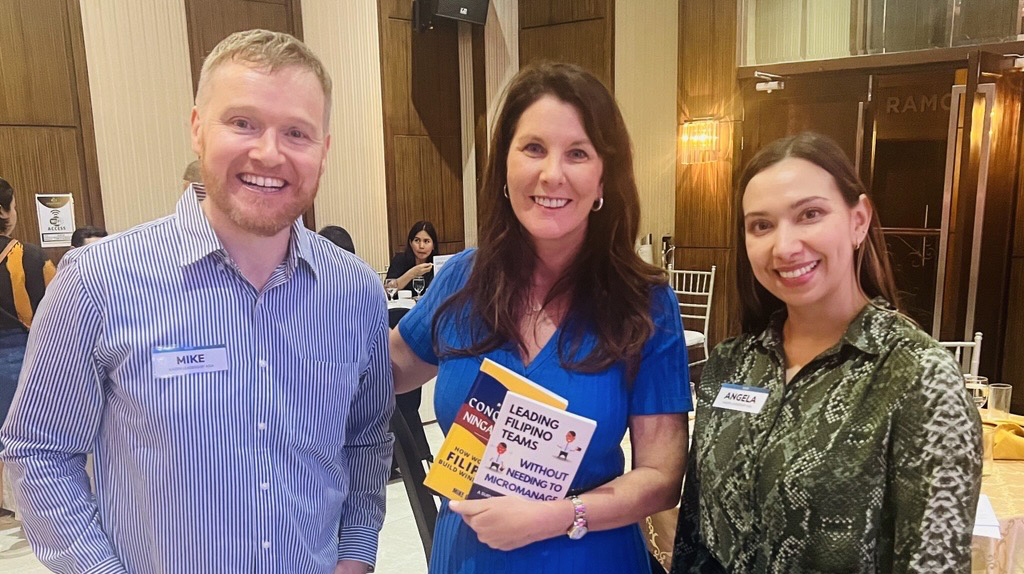
We recently caught up with Mike Grogan of Kaizen Leadership Asia, a Philippines-based business coach who helps international business leaders to build teamwork and boost productivity in their Filipino teams.
Here’s Mike’s top tips on building a winning team in the Philippines:
1. Leave recruitment to the experts
Recruiting the right people for your business is the first hurdle… and can be the biggest challenge when working with an offshore team. Hiring at long distance can be hit and miss. And when you are trying to hire people from a different culture, it can be even harder to identify your future superstars. That’s why 5 ELK does all their hiring in person, with our Filipino-based talent team who can ensure we get the pick of the crop for our clients.
2. Dial down office drama
Businesses in Australia, the UK and the US tend to have a casual office style. And we’re not talking about dress code here, but general attitude. We are pretty open with expressing our emotions, we swear fairly casually and are pretty open with our teams, discussing potential setbacks, such as a lost contract, a client complaint, an unexpected audit, etc. This is a big cultural difference from the Philippines, where they tend to speak more politely and formally, they value harmony, and management tends to put a brave face on any behind-the-scenes business dramas. You can bridge this culture gap by toning down your language in meetings or on calls, at least until your teammates get used to your office culture.
3. Expect a cultural learning curve
Compared to life at home, things in the Philippines are quite traditional, with a definite hierarchy in most workplaces and an emphasis on respecting one’s elders/superiors is the norm. Working in an office where everyone is on first-name terms and where even the most junior hire is entitled to have an opinion may be a new experience for your teammates. While you will find them willing to learn, bear in mind that they have come from a very different school system with less emphasis on problem-solving and individualism and more on rote learning and micro-managing. This is something we address with 5 ELK teammates through coaching and mentoring in order to build their confidence to ask questions, raise issues, and solve problems at work. We also encourage them to take responsibility for their own skills development through our self-directed learning portal.
4. Champion self-care to lead by example
In recent years, western businesses have woken up to the importance of self-care. Gen Z is leading the way, being more protective of their work/life balance and are more open in discussing matters relating to mental health. Unfortunately, the Filipino workforce hasn’t had the same opportunities, and self-care is not a priority for many. This is why at 5 ELK, we put an emphasis on socialising, sports, and other leisure activities and we provide onsite health care and counselling when needed. As a business leader, you can help by setting a good example when it comes to self-care. Let your team know that you have a life outside work and that it’s ok for them to have one as well.