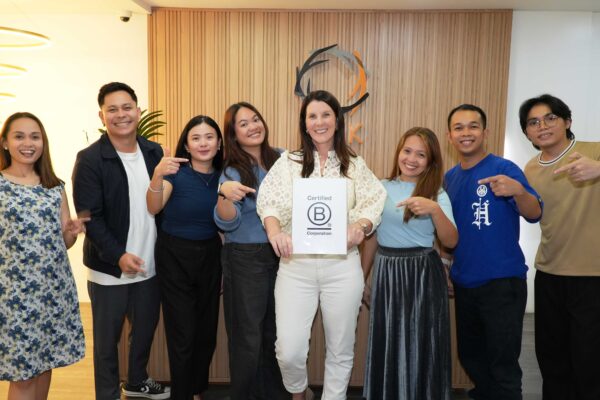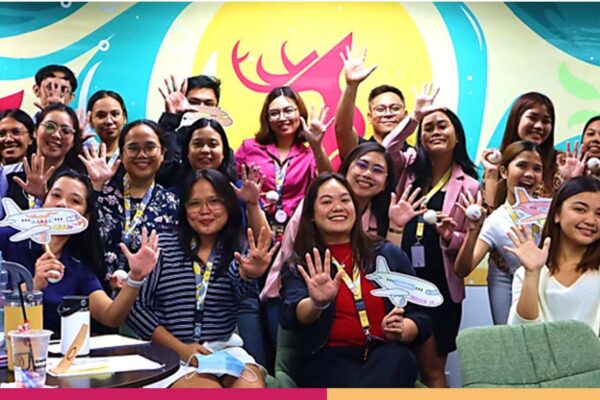
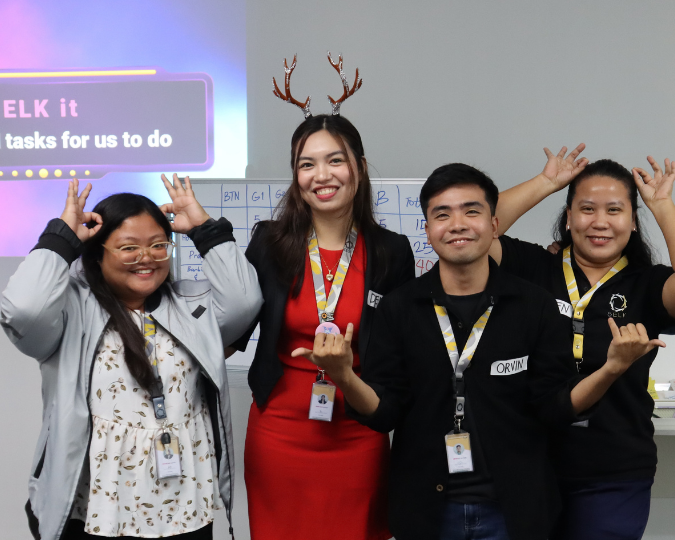
At 5 ELK, around 75% of our workforce is Gen Z.
That’s given us a front-row seat to the changing expectations of today’s workforce.
Supporting and developing a predominantly Gen Z workforce has challenged us to rethink how we communicate, develop people and share knowledge.
Here are four lessons we’ve learned along the way.
Communication norms are evolving
This generation grew up with instant messaging, social media and information at their fingertips.
As a result, some traditional workplace norms don’t always land the way they once did. An unannounced phone call, for example, can create unnecessary stress where a simple heads-up message would set the conversation up for success.
The goal isn’t to lower expectations. It’s to communicate in a way that gets the best response.
People want purpose, not just tasks
Most employees want to understand how their work contributes to something bigger.
Gen Z tends to ask the question earlier in their career.
Explaining the “why” behind a task helps people make better decisions, take greater ownership and feel more connected to the outcome.
Growth matters more than perks
Few people expect to spend their entire career with one employer anymore.
Career paths are becoming more dynamic. According to LinkedIn’s Workplace Learning Report 2024, 74% of Gen Z professionals expect to change careers at least three times during their working lives.
That doesn’t mean employers should accept high turnover as inevitable. Businesses that create opportunities to learn, develop new skills and take on fresh challenges are far more likely to retain talented people for longer.
Growth is one of the most effective retention tools available.
Documentation matters more than ever
As career paths become more dynamic, transitions become more common.
Robust documentation is no longer a nice-to-have. It’s essential for continuity, succession planning and growth. When processes, systems and responsibilities are clearly documented, onboarding becomes easier, transitions are smoother and disruption is minimised.
Good documentation doesn’t just reduce risk. It creates confidence, consistency and scalability.
Looking ahead
Many of the lessons Gen Z has brought to the workplace aren’t really about Gen Z at all.
They’re about building workplaces that communicate clearly, provide purpose, invest in development and create systems that can adapt to change.
Those principles benefit every generation. Gen Z has simply accelerated the conversation.